NVIDIA GTC 2026: Jensen Huang Declares “Physical AI Has Arrived” as Robotics Ecosystem Unites
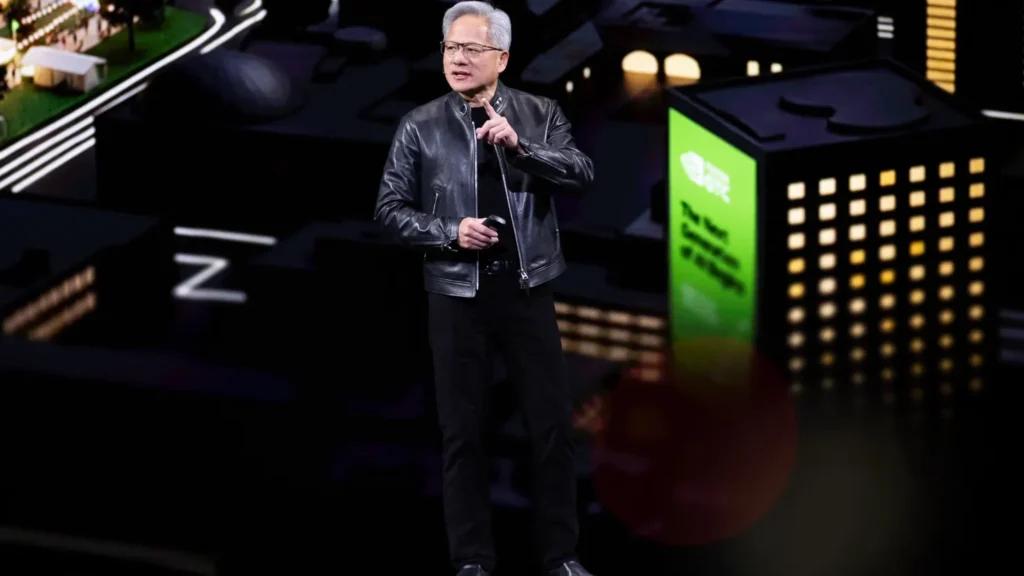
Image via CNBC
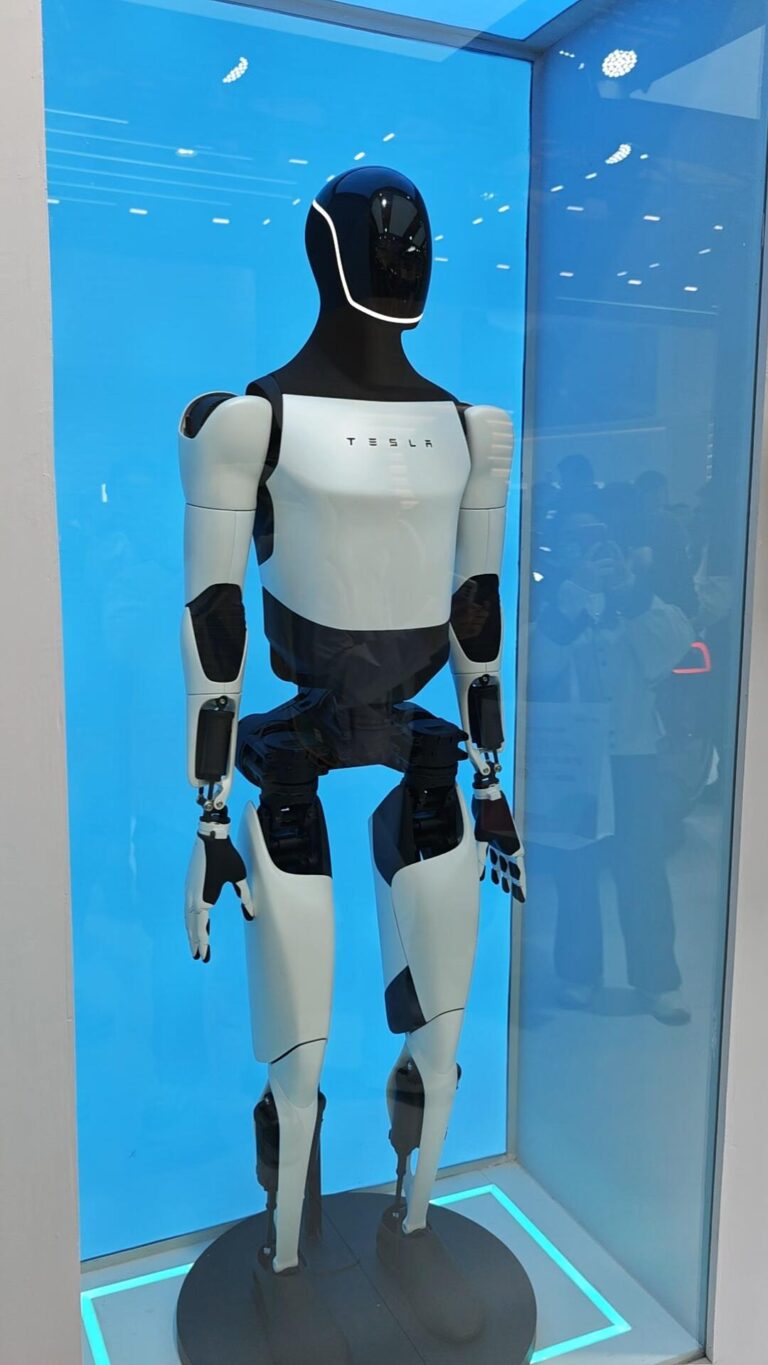
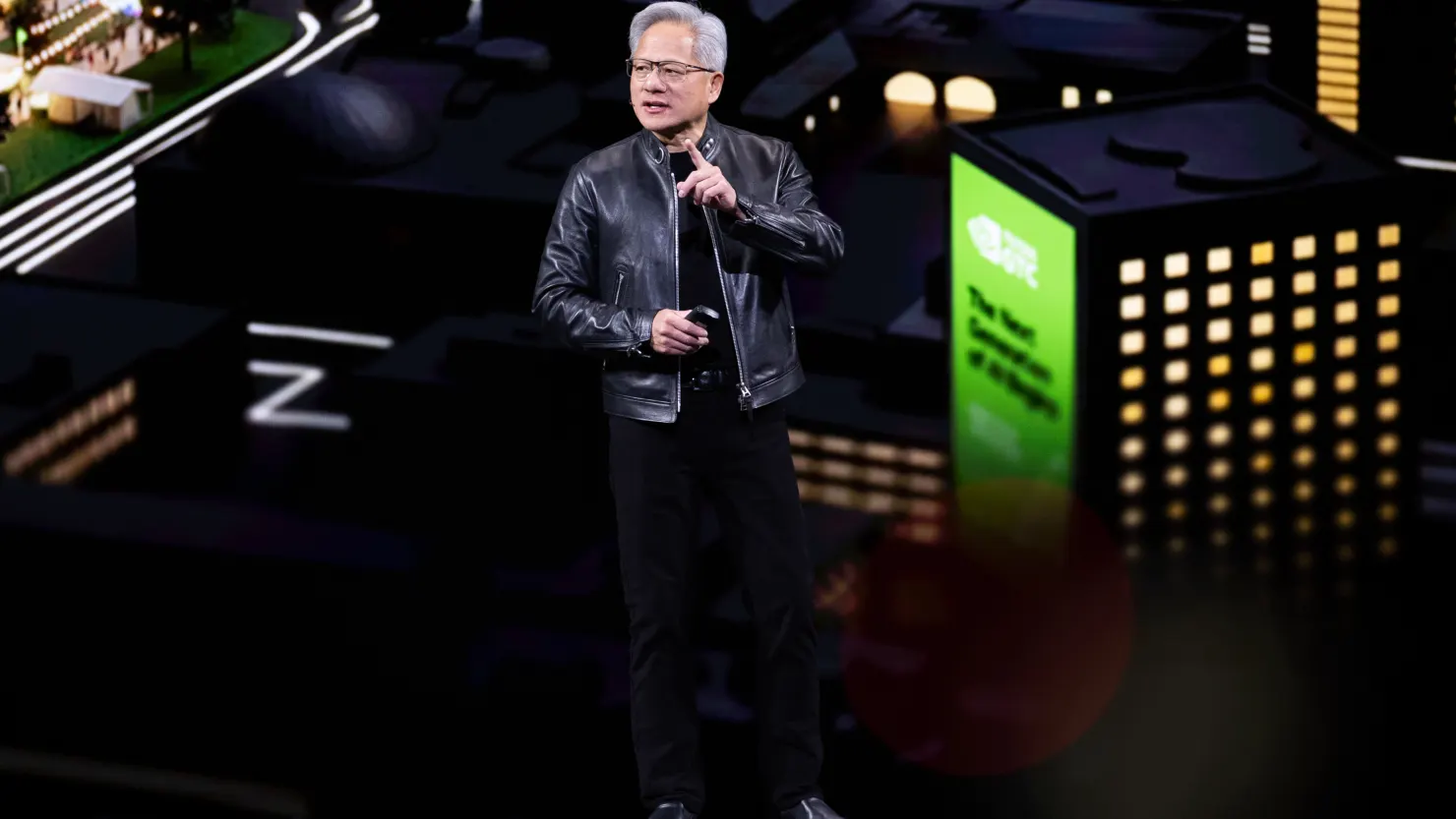
San Jose — At the packed SAP Center, NVIDIA CEO Jensen Huang delivered a high-density keynote at GTC 2026, making a bold declaration: “Physical AI has arrived — every industrial company will become a robotics company.” The message was clear — AI’s next phase is not just about chatbots, but about machines that can perceive, plan, and act in the physical world .
A Unified Robotics Ecosystem
Huang unveiled an unprecedented lineup of industry leaders building on the NVIDIA platform, spanning industrial giants, humanoid pioneers, and medical robotics innovators. The list reads like a who’s who of global robotics :
- Industrial giants: ABB Robotics, FANUC, KUKA, YASKAWA, Universal Robots
- Humanoid leaders: 1X, Agility Robotics, Boston Dynamics, Figure, Hexagon Robotics
- Medical robotics: CMR Surgical, Medtronic, Johnson & Johnson MedTech
- Robot brain developers: Skild AI, FieldAI, World Labs
“NVIDIA’s full-stack platform — spanning computing, open models, and software frameworks — is the foundation for the robotics industry, uniting a worldwide ecosystem to build the intelligent machines that will power the next generation of factories, logistics, transportation, and infrastructure,” Huang said .
New Models and Simulation Frameworks
NVIDIA announced several major updates to its physical AI stack :
- Cosmos 3: The first world foundation model unifying synthetic world generation, vision reasoning, and action simulation to accelerate generalized robot intelligence for complex environments
- Isaac Lab 3.0: Now in early access, enabling faster, large-scale robot learning on NVIDIA DGX-class infrastructure with multiphysics simulation support
- GR00T N1.7 and GR00T N2: N1.7 is now available in early access with commercial licensing; N2, based on DreamZero research, helps robots succeed at new tasks in new environments more than twice as often as leading vision-language-action models
Huang also previewed GR00T N2, a next-generation robot foundation model based on a new world action model architecture, slated for availability by the end of 2026 and currently ranked No. 1 on MolmoSpaces and RoboArena for generalist robot policies .
Autonomous Driving Hits “ChatGPT Moment”
In the autonomous vehicle space, Huang announced that four new automakers have joined the NVIDIA RoboTaxi Ready platform :
- BYD, Hyundai, Nissan, and Geely — collectively representing 18 million vehicles in annual production
- They join existing partners including Mercedes-Benz, Toyota, and General Motors
- A major partnership with Uber will deploy RoboTaxi Ready vehicles across multiple cities
“The ChatGPT moment for autonomous driving has arrived,” Huang declared .
Hardware Roadmap: Vera Rubin and LPU Systems
On the hardware front, NVIDIA unveiled its next-generation architectures :
- Vera Rubin platform: Fully liquid-cooled system with 100% liquid cooling, reducing installation time from two days to two hours
- Groq LPU systems: Now in production, designed specifically for low-latency inference. The LPX rack includes 256 LPU processors with 128GB on-chip SRAM, delivering 640TB/s expansion bandwidth
- Rubin Ultra: Vertical integration in Kyber racks, with 144 GPUs per NVLink domain
- Spectrum-6 SPX switch: The world’s first CPO (co-packaged optics) switch, developed with TSMC, now in full production
Huang made a striking revenue forecast: “At this point, I see at least $1 trillion in demand by 2027. The reality is, we will likely still be supply-constrained.”
Real-World Deployments and Partnerships
The keynote featured several concrete deployment examples :
- Skild AI is partnering with ABB Robotics and Universal Robots to deploy generalized robot intelligence across different industries, and with Foxconn on high-precision assembly for NVIDIA Blackwell production lines
- Disney’s Olaf robot appeared on stage with Huang, showcasing training on the Newton physics engine. Olaf will debut at Disneyland Paris on March 29, trained using Kamino, a GPU-accelerated physics simulator built on NVIDIA Warp
- KION Group is working with NVIDIA and Accenture to advance autonomous warehouse solutions, using Omniverse to train fleets of NVIDIA Jetson-based autonomous forklifts
- Alibaba Cloud is integrating NVIDIA’s entire physical AI stack into its Platform for AI, accelerating end-to-end robotics development
- Microsoft Azure and Nebius are integrating the NVIDIA Physical AI Data Factory blueprint for scalable, agent-driven synthetic data generation
Addressing the Sim-to-Real Gap
ABB and NVIDIA announced they have successfully overcome the “simulation-to-reality” gap that has long plagued the industry. Robot AI models trained in digital environments using NVIDIA Omniverse-generated synthetic data can now be deployed directly onto physical industrial robots with extremely high precision, significantly reducing production line commissioning time .
Texas Instruments also demonstrated integration of its mmWave radar sensors with the NVIDIA Jetson Thor platform, providing sharper 3D perception capabilities for humanoid robots in complex human-robot collaboration environments .
Agentic AI and Software Evolution
Huang devoted significant time to the shift toward agentic AI, predicting the death of traditional SaaS .
“The next phase of AI isn’t better conversations — it’s starting to actually do work,” he said .
Key software announcements included :
- NemoClaw: A “one-click shrimp farming” platform integrating Nemotron models with OpenShell runtime
- Nemotron Alliance: A consortium of global AI labs collaborating on open foundation models, starting with Mistral AI on DGX Cloud
- Open-source agent toolchains: Including Policy Engine, Network Guardrails, and Privacy Router for secure enterprise AI agent deployment
Huang emphasized that enterprise software will shift from traditional applications to “AI agent platforms,” where specialized agents handle complex workflows autonomously .
DLSS 5 and Consumer Graphics
For gamers and creators, NVIDIA announced DLSS 5, described as the biggest graphics breakthrough since real-time ray tracing in 2018. The technology uses real-time neural rendering models to deliver near-cinematic lighting and material effects while maintaining real-time performance. It will launch this fall, supporting 4K gaming with support from major game publishers including Capcom, NetEase, and Tencent .
My take
GTC 2026 marks a definitive shift in NVIDIA’s narrative — from training models to deploying intelligence in the physical world. The sheer scale of robotics partnerships announced is staggering: four industrial giants (ABB, FANUC, KUKA, YASKAWA) with a combined installed base exceeding 2 million robots, plus every major humanoid startup, plus surgical robotics leaders, plus automakers representing 18 million annual vehicles. This isn’t a company dabbling in robotics; it’s building the operating system for physical AI.
What struck me most was the concreteness. Disney’s Olaf isn’t a demo — it’s heading to Disneyland Paris next week. Skild AI isn’t just talking about generalist robot brains — it’s deploying them on Foxconn’s Blackwell production lines. ABB isn’t promising future integration — they’ve already solved the sim-to-real gap.
NVIDIA’s position in this ecosystem is unique: it provides the chips, the simulation platforms (Omniverse, Isaac), the foundation models (GR00T, Cosmos), and the developer ecosystem (2 million robotics developers now connected to Hugging Face’s 13 million AI builders). As Huang put it, “NVIDIA’s full-stack platform is the foundation for the robotics industry.” After watching this keynote, it’s hard to argue otherwise.
Tags: NVIDIA, GTC2026, Physical AI, Jensen Huang, Robotics, Autonomous Driving, Vera Rubin, GR00T, Isaac Sim, Cosmos
Category: News