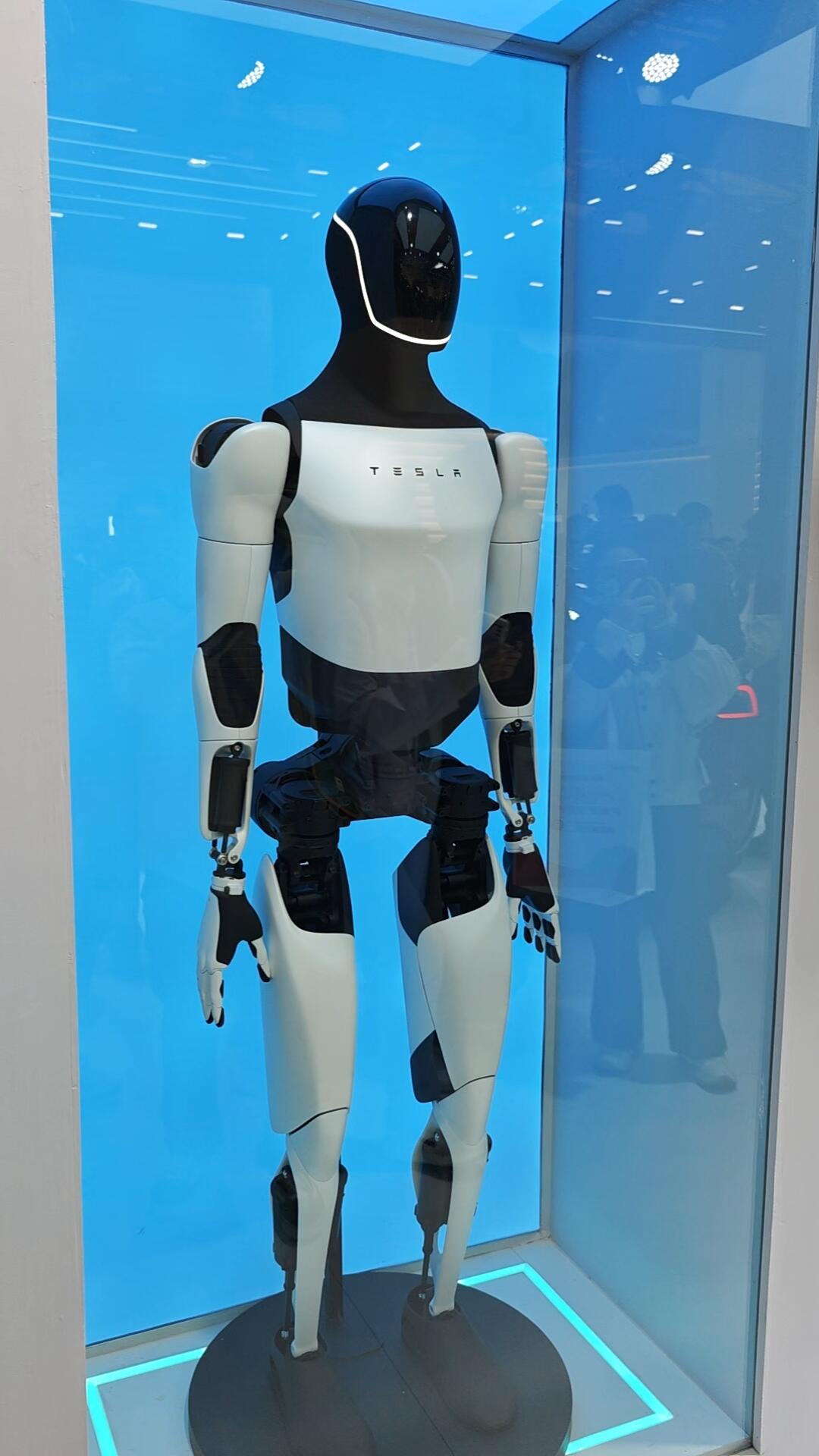
Tesla Showcases Upcoming Gen 3 Optimus at AWE 2026, Mass Production Set for Late 2026
Tesla has showcased its upcoming third-generation humanoid robot, Optimus, at the 2026 Appliance & Electronics World Expo (AWE) in Shanghai, marking what the company calls its first mass-production ready humanoid robot.
The exhibition marks Tesla’s first major product showcase in China after a multi-year absence from major auto shows. The robot is displayed alongside the Cybertruck, drawing large crowds at the expo.
According to on-site staff, the robot on display is the upcoming third-generation Optimus, with the official production version expected to have only minor differences from the exhibited prototype. Tesla plans to begin mass production by the end of 2026, with a long-term production capacity target of 1 million units per year.
Note: Some reports indicate Tesla China clarified that the exhibited unit is the second-generation robot, while the third generation has not been officially released. This article follows on-site staff and multiple media reports citing the display as the upcoming Gen 3 prototype.
Next-Generation Capabilities
The third-generation Optimus features significant upgrades over previous versions:
- Dexterity: 37 degrees of freedom, with hand positioning accuracy of 0.08mm, enabling delicate operations like handling eggs and tying shoelaces
- Endurance: Capable of continuous operation for up to 24 hours
- Learning ability: Equipped with Dojo chip-powered AI that allows observational learning—watching human demonstrations to acquire new skills without traditional programming
- Hand design: 22 degrees of freedom in the hands, using hollow cup motors and tendon-driven transmission for high-speed response and lightweight performance
The robot’s perception system relies on 8 Autopilot cameras and a pure vision system (no LiDAR), powered by the same HW5 FSD chip used in Tesla vehicles. The end-to-end neural network is trained on Tesla’s Dojo supercomputer.
Mass Production Strategy
To make room for Optimus production, Tesla has permanently discontinued the Model S and Model X, converting the Fremont factory production lines to robot assembly. This strategic shift reflects Tesla’s transformation from an automaker to an “embodied AI company.”
The cost target for the third-generation Optimus is under $20,000 when annual production reaches 1 million units, making it potentially affordable for household use. Initial production will be low-volume in summer 2026, ramping up toward year-end.
However, production challenges remain, particularly in high-precision components like actuator manufacturing and supply chain maturation. Tesla has built a completely independent supply chain for Optimus, with all components redesigned from first principles.
AWE 2026: China’s Rising Robot Ecosystem
This year’s AWE is the largest in its history, spanning over 700,000 square meters across two venues, attracting more than 1,200 exhibitors. The expo features a dual-zone format: the main venue at Shanghai New International Expo Center focuses on smart home and consumer electronics, while the Oriental Hub International Business Cooperation Zone highlights cutting-edge technologies including chip computing power, embodied AI, and new displays.
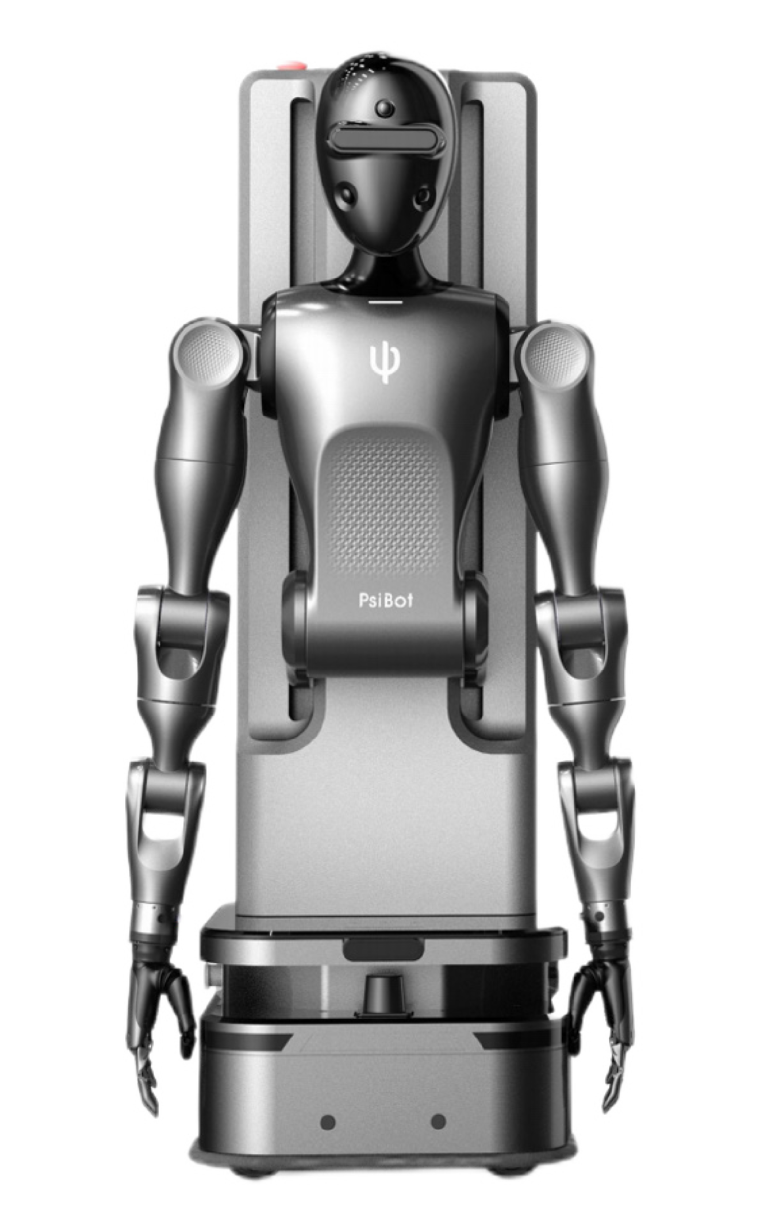
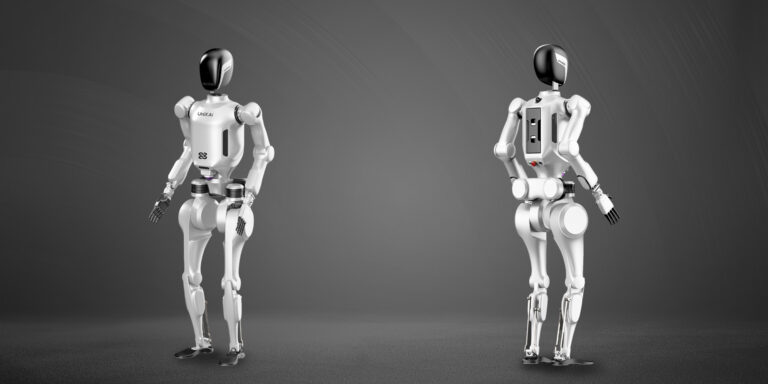
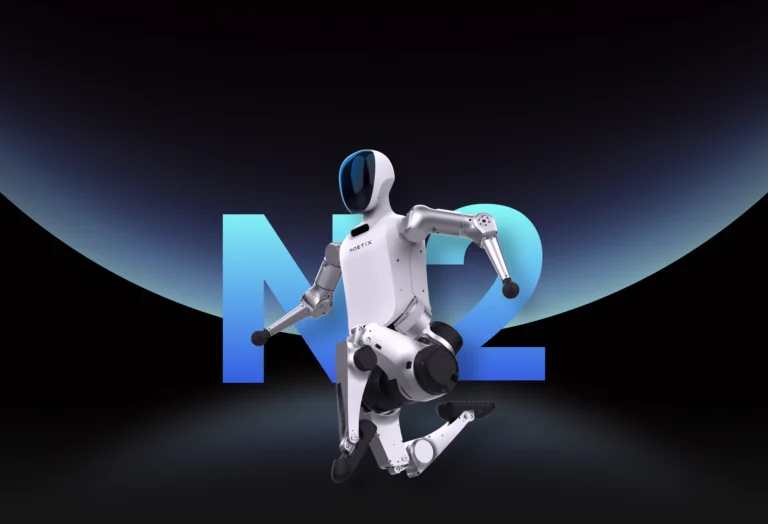
Beyond Tesla, Chinese robotics companies are prominently featured, including Unitree, Zhiyuan Robotics, Dreame Technology, and others, showcasing the rapid development of China’s embodied AI ecosystem.
Competitive Landscape
Elon Musk has stated that apart from China, Tesla sees no other truly significant competitors in the humanoid robotics space. Morgan Stanley forecasts China’s humanoid robot shipments to reach 28,000 units in 2026, a 133% year-over-year increase, with projections surging to 2.6 million units by 2035.
To strengthen its AI capabilities, Tesla has invested $2 billion in Musk’s xAI, forming a deep strategic partnership to advance core algorithms for autonomous driving and humanoid robots.
For public sale, Musk indicated that robots will only be offered to consumers once they demonstrate sufficient reliability and safety, with public availability potentially beginning in 2027.
My take
The AWE showcase matters less about whether this is Gen 2.5 or Gen 3—what matters is Tesla is signaling readiness for mass production. The $20,000 price target, if achieved, changes everything: it makes humanoids a consumer device, not just industrial equipment. But China’s response is already visible on the same expo floor—Unitree, Zhiyuan, and others are closing the gap fast. The real race isn’t who demos first in Shanghai; it’s who can ship a million units at sub-$20,000 cost. That race has just begun.
Tags: Tesla, Optimus, Humanoid Robots, AWE 2026, Mass Production, Elon Musk, China Robotics, Embodied AI
Category: News